In japanese, feelings and emotions are often が, while it would be more expected to use を. This is sometimes referred to as the "Object of Emotion."
Linguistically however, it is just that Japanese draws the line between transitive and intransitive differently: Emotional words are still in that line.
野菜が嫌いです。 I dislike vegetables. (lit. "vegetables are disliked by me")
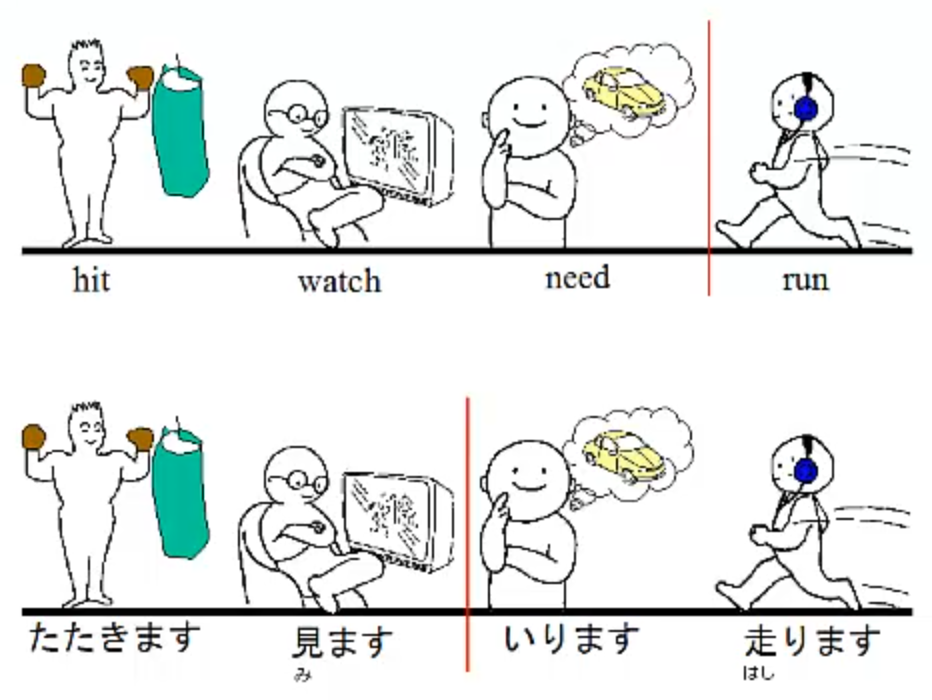
車が必要です。 I need a car (lit. "A car is needed by me.")
ロールケーキが欲しい。 I want a roll cake (lit. "A roll cake is wanted by me.")
'needing' is not an emotion, and is a good example of the difference in perspective on Transitivity.
パソコンが要ります I need a computer (lit. "A computer is needed by me")
video: Visualising Japanese Grammar: Transitivity
Describing other people's emotions
You can only directly positively describe your own emotions: For others, you can use verbs, or you have to be more indirect. The reason for this divide is because you can't 100% know someone else's feelings, you can only see what they exhibit outwardly.
| expr | yourself | someome else | | ------------ | -------- | ------------ | | …が(形容動詞)です | ○ | ✕ | | …を(形容動詞)している | △ | ○ | | …を(形容動詞)していた | ○ | ○ | Youtube: kaname naito - Adjectives to Describe Feelings in Japanese
You are worried yourself: use the 形容動詞 (な-adjective) with the copula.
姉妹が心配です I'm worried about my sister
Someone else is worried: use with する (if grammatical), as a Verbal noun. Most often, currently going on, so 〜ている
お母さんは娘を心配している the Mother is worried about her daughter.
If you are describing yourself in the past: also use する
お前のこと心配していたんだ I was worried about you!
Another alternative is to use Positively stating someone else's emotions.